
Website development Singapore is booming as businesses strive to establish a strong online presence. The city-state’s tech-savvy population and thriving digital economy make it crucial for companies to have well-designed, functional websites.
Professional web design Singapore offer expert solutions to boost online visibility and achieve web excellence.
Many firms focus on mobile-first design, recognising the importance of smartphone-friendly websites in today’s market.
Pixel offers creative websites that align with your brand identity and business goals, ensuring a unique online presence that sets you apart from competitors.
Key Takeaways
- Singapore’s website development sector caters to diverse business needs with tailored solutions
- Mobile-first design is crucial for success in the smartphone-dominated market
- Choosing the right web developer involves assessing their portfolio, expertise, and understanding of your brand vision
The Importance of Mobile-First Design in Singapore

As mobile usage grows, mobile-first design is vital for success. It prioritizes the mobile user experience by ensuring websites look great and function well on smaller screens. Key benefits include:
- Improved user experience
- Higher search engine rankings
- Increased conversion rates
- Better loading speeds
In Singapore, mobile devices account for a significant portion of internet traffic. Many Singaporeans shop on their phones, making it essential for online stores to offer a seamless mobile experience.
Mobile-optimised e-commerce sites can lead to higher sales and customer satisfaction. Mobile-first design also supports search engine optimisation (SEO) efforts. Google now uses mobile-first indexing, meaning it primarily uses the mobile version of a site for ranking and indexing.
Rising Mobile Usage and Consumer Behaviour
With an 89% mobile internet penetration rate, consumer behaviour in Singapore has shifted. Mobile devices are used for everyday activities like banking, shopping, and booking services. This has led businesses to adapt their digital strategies.
The rise of mobile usage has also led to:
- Increased social media engagement
- Higher demand for mobile apps
- Greater expectations for seamless mobile experiences
Singapore’s digital millennials play a significant role in driving this change, as they expect businesses to cater to their mobile-first needs.
Mobile-first websites must focus on:
- Optimising for small screens
- Enhancing social media integration
- Creating seamless, user-friendly experiences
Google’s Mobile-First Indexing
Google’s mobile-first indexing means it primarily considers the mobile version of a website for ranking. Without a mobile-friendly site, businesses risk losing visibility.
To check if your site is ready for mobile-first indexing, use Google Search Console. This tool provides insights into how Google views your site and can help identify any mobile-specific issues.
Key aspects of mobile-first indexing include these steps:
- Responsive design
- Fast loading times
- Easy navigation on small screens
- Readable text without zooming
For businesses in Singapore, adapting to mobile-first indexing is crucial. It ensures your website remains visible in search results and provides a good user experience for mobile visitors.
Essential Elements Of Mobile-First Website Development Singapore
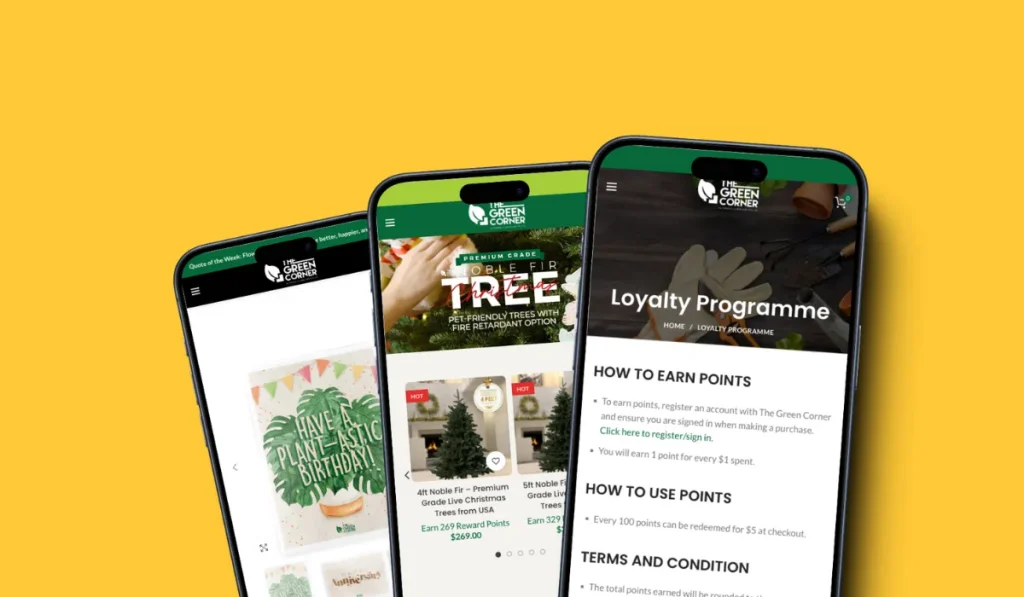
A mobile-first website focuses on responsive design and functionality for smaller screens. Elements such as simplified navigation, concise content, and fast loading speeds are critical. Ensuring that all design elements, including images and buttons, are touch-friendly enhances the user experience.
Other important factors include:
- Optimized images for mobile networks
- Secure payment gateways for e-commerce
- Robust content management systems (CMS) like WordPress or Shopify
Responsive Design and Layout

Responsive design is crucial for modern websites. It ensures content looks good on all devices, from mobiles to desktops. Flexible grids are a core component. They allow content to flow and resize based on the viewer’s device. This creates a smooth, consistent experience across platforms.
Best practices for responsive design include:
- Fluid images that scale with screen size
- Flexible grids that adjust to viewport width
- Media queries to apply different styles for various devices
Testing is vital. Designers should check how a site performs on multiple devices and browsers. This ensures a consistent experience for all users. Responsive design isn’t just about looks. It also impacts site speed and performance. Optimising images and code for different devices is essential.
Optimised Performance and Loading Speed
Website speed is crucial for success in Singapore’s competitive digital landscape. Fast-loading sites keep visitors engaged and boost search rankings. Website speed optimisation involves improving loading times and performance.
Mobile users expect pages to load in 3 seconds or less. Developers achieve this through:
- Optimizing code
- Minimizing HTTP requests
- Enabling browser caching
- Compressing images
Caching is a powerful tool for speeding up websites. It stores frequently accessed data for quick retrieval. This reduces server load and improves response times.
The Role Of Content In Mobile-First Website Development Singapore

Mobile-first content plays a crucial role in user experience. Short paragraphs, clear headings, and bullet points help users quickly find the information they need. Concise, scannable content is particularly important on mobile devices, where users often skim pages.
Effective mobile content should focus on:
- Essential information at the top
- Legible fonts and appropriate text sizes
- Optimized images for fast loading
Landing pages should engage users quickly with compelling headlines, call-to-action buttons, and optimized visuals to encourage further exploration.
Content Structure and Hierarchy
A clear sitemap serves as a blueprint for your website, outlining primary, secondary, and tertiary pages. This helps visitors and search engines understand your site’s layout.
To create an effective content hierarchy:
- Use descriptive headings (H1, H2, H3)
- Write concise paragraphs
- Utilise bullet points and numbered lists
- Include relevant images and videos
- Add internal links to related content
Remember to group related content together and use contextual links to improve navigation. A cohesive design throughout your site will tie everything together, creating a seamless user experience.
Visual Content and Interaction
Creating visually appealing websites is crucial for engaging visitors. Singapore web developers focus on optimising images and videos to enhance user experience. High-performing websites often use modern image formats like WebP. Video content can boost engagement, but it must be optimised.
Interactive elements add excitement to websites. These might include:
- Hover effects
- Animated buttons
- Scrolling animations
Accessibility is key. Developers ensure that visual content has proper alt text for screen readers.
Measuring The Success Of Your Mobile-First Strategy

To gauge the effectiveness of your mobile-first approach, it’s crucial to track key performance indicators (KPIs). These metrics provide valuable insights into how well your website engages users and drives business results.
Here are some essential KPIs to monitor:
- Mobile Traffic
- Bounce Rate
- Time on Site
- Page Load Speed
- Conversion Rate
To measure these KPIs effectively, use analytics tools like Google Analytics. Set up conversion tracking to measure specific goals and events on your site.
Analytics and User Feedback

Website analytics and user feedback are crucial for improving digital services in Singapore. Tools like Google Analytics help businesses:
- Understand user behavior
- Optimize content
- Assess campaign performance
Collecting and analysing user feedback complements analytics by providing direct insights into user satisfaction and areas needing improvement. Combining these approaches ensures that your website remains user-friendly, efficient, and aligned with business goals.
Continuous Improvement and Updates
Website development is an ongoing process. Businesses should regularly monitor performance, test new features, and gather user feedback to identify areas for improvement. Security updates, A/B testing, and adopting new trends can help ensure that the website remains effective and up-to-date.
Remember, continuous improvement is about small, regular changes. It’s not about overhauling your entire site frequently. This approach maintains stability while steadily enhancing performance and user satisfaction.
Choosing The Right Website Developer Agency

When selecting a website development company in Singapore, focus on evaluating their portfolio to gauge the quality and diversity of their work. Agency with experience across different industries and project types demonstrate versatility and adaptability.
It’s important to assess the services offered, such as custom web design, e-commerce solutions, content management systems (CMS), mobile responsiveness, and SEO. Schedule a consultation to ensure the agency understands your business objectives and vision.
Client testimonials are valuable for understanding an agency’s professionalism. Look for feedback on communication, project management, and technical support. The best agencies prioritize client needs and maintain a collaborative approach throughout the project.
Consider the agency’s website design and development company team and ensure they have the technical skills to handle complex projects. Finally, identify what makes the agency stand out, whether through specialized technology or market expertise.
Assessing Portfolio And Technical Expertise
Evaluating a company’s portfolio is essential to determine their capabilities. Look for a variety of projects, especially ones with mobile-first designs, as mobile responsiveness is critical in today’s market. Key aspects to focus on include visual appeal, functionality, loading speed, and cross-browser compatibility.
Assess the company’s technical expertise by reviewing their proficiency in programming languages like HTML, CSS, and JavaScript, as well as CMS platforms like WordPress or Drupal. Additionally, consider their experience with e-commerce platforms, database management, and SEO.
Requesting client references or case studies provides insight into their process and the satisfaction of past clients.
Understanding Client Goals and Communication
Successful website development begins with a deep understanding of the client’s goals. A good developer will engage in a thorough discovery phase to gather details about your business objectives, target audience, brand identity, and the features and functionality you require.
Clear communication is crucial. Developers should listen carefully, ask clarifying questions, and provide regular updates. Continuous collaboration ensures that the project remains on track and meets your expectations.
Frequently Asked Questions
Website development in Singapore involves various aspects, from costs to quality considerations. Many businesses seek clarity on pricing, factors affecting development, and ways to find reputable agencies.
How much should I expect to pay for website design services in Singapore?
Singapore best web design cost vary widely. Basic designs may start around SGD 500, whilst complex e-commerce sites can exceed SGD 10,000. Most small to medium businesses typically spend SGD 2,000 to 5,000 for a professional website.
What are the factors that influence the cost of website development Singapore?
Several factors affect website development costs in Singapore. These include:
– Site complexity and number of pages
– Custom features and functionality
– E-commerce capabilities
– Responsive design for mobile devices
– Content creation and copywriting
– SEO optimisation