
Small and medium-sized enterprises (SMEs) often struggle to stand out in the crowded online marketplace. Interactive web design offers a powerful solution to this challenge.
Interactive websites create memorable experiences that keep visitors coming back. They encourage users to actively participate rather than passively consume content.
For SMEs, the benefits of interactive web design are particularly valuable. It levels the playing field, allowing smaller businesses to compete with larger corporations by offering unique, engaging online experiences.
Key Takeaways
- Interactive web design boosts user engagement and conversions for SMEs
- Personalised content and gamification create memorable user experiences
- Regular analysis of engagement metrics guides continuous website improvement
Understanding Interactive Web Design for SMEs
The Interactive web development design is a game-changer for small and medium-sized enterprises (SMEs). It’s all about creating websites that respond to user actions, making the online experience more engaging and memorable.
Interactive websites use various elements to captivate visitors. These may include:
- Animated graphics
- Clickable buttons
- Hover effects
- Scrolling animations
- Interactive forms
For SMEs, these features can be powerful tools. They help grab attention and keep users on the site longer. This increased engagement often leads to better conversion rates. A well-designed interactive websites can level the playing field, allowing smaller businesses to compete with larger ones online.
However, it’s crucial to strike a balance. Too many interactive elements can overwhelm users and slow down the site. The key is to use interactivity purposefully, always keeping the user’s needs in mind.
The Importance of User Engagement
User engagement is the lifeblood of any successful website. When visitors actively interact with a site’s content and features, they’re more likely to stay longer and take desired actions.
Boosting website engagement is crucial for small and medium-sized enterprises (SMEs) looking to thrive in the digital landscape. Engaged users are more likely to become loyal customers and brand advocates.
High engagement leads to several benefits:
- Increased time on site
- Lower bounce rates
- Higher conversion rates
- Improved brand loyalty
Engagement isn’t just about flashy features, though. It’s about providing value to your audience. High-quality, relevant content that addresses users’ needs and pain points is essential for maintaining interest and encouraging interaction.
By prioritising user engagement, SMEs can build stronger relationships with their audience, drive conversions, and ultimately achieve their business goals in the competitive online marketplace.
Principles of Interactive Design
Interactive web design aims to create engaging digital experiences. It focuses on user-centred approaches that make websites more appealing and functional.
Key Interactive Design Principles:
- User-centric navigation
- Responsive design
- Visual feedback
- Personalisation
- Accessible interfaces
Clarity and simplicity are paramount. Avoid cluttered layouts and complex interactions. Users should understand how to use the site without needing instructions.
Lastly, accessibility is essential. Design should accommodate users with different abilities, ensuring everyone can interact with the site effectively.
Strategies for Implementing Interactive Elements
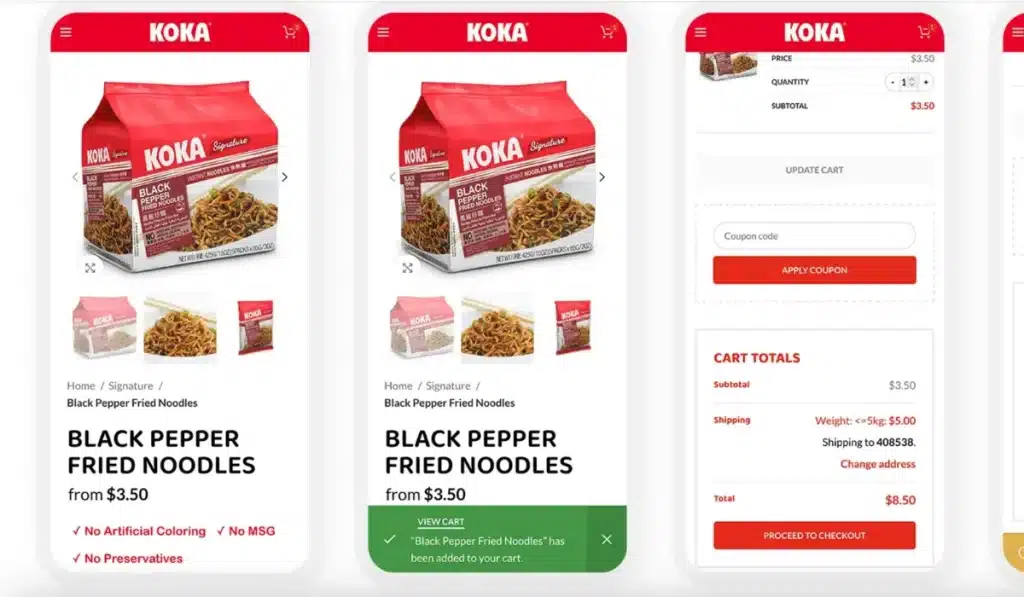
To boost engagement and conversions, small and medium enterprises (SMEs) can incorporate several interactive elements on their websites. Here are some effective strategies:
Adding Interactive Content
Interactive content can greatly boost engagement for small and medium enterprises (SMEs). By encouraging active participation, businesses can create memorable experiences for their audience.
Here are some benefits of interactive content:
• Increases time spent on website
• Improves user engagement
• Provides valuable user data
• Enhances brand recall
SMEs can create interactive content that aligns with their marketing goals. For example, a quiz could be used to guide customers towards suitable products, while a poll could help in product development.
It’s important to choose the right format based on your audience and objectives. Interactive content should be mobile-friendly and easy to use to ensure maximum participation.
Utilising Multimedia
Multimedia content, including videos and 360° product views, creates a more immersive online experience. Interactive videos allow users to explore different aspects of a product or service, while 360° views offer a comprehensive look at e-commerce items, reducing uncertainty and improving trust.
Infographics are also valuable for presenting complex information in a visually appealing way. They can simplify data and make it more digestible for the audience.
To maximise the effectiveness of multimedia content:
- Ensure all media is optimised for various devices
- Maintain consistent branding across different formats
- Use high-quality images and videos
- Include captions and alt text for accessibility
Gamification Techniques
Gamification is a powerful tool for increasing engagement. SMEs can integrate game-like elements such as points, badges, leaderboards, or progress bars to motivate users to interact with the site. Challenges and rewards incentivize return visits and encourage exploration of the website.
Social elements like teamwork or sharing achievements can add an extra layer of fun. This also helps build a sense of community around a brand.
It’s important to strike a balance. Too many game elements can be overwhelming, while too few might not have much impact. The key is to integrate gamification smoothly into the overall user experience.
Real-Time Personalisation
Real-time personalisation involves tailoring web content based on user behavior and preferences. Dynamic product recommendations, geolocation-based offers, and time-sensitive content can significantly enhance the user experience.
One effective technique is the use of dynamic calls-to-action (CTAs). These adapt based on user actions, offering more relevant prompts to encourage conversions. For instance, a returning visitor might see a “Welcome Back” message instead of a generic greeting.
Real-time personalisation can significantly improve key metrics:
- Increased engagement rates
- Higher conversion rates
- Longer time spent on site
To measure success, SMEs should track these metrics closely. Improved numbers in these areas indicate that personalisation efforts are working effectively.
Boosting Conversions with Interactive Features
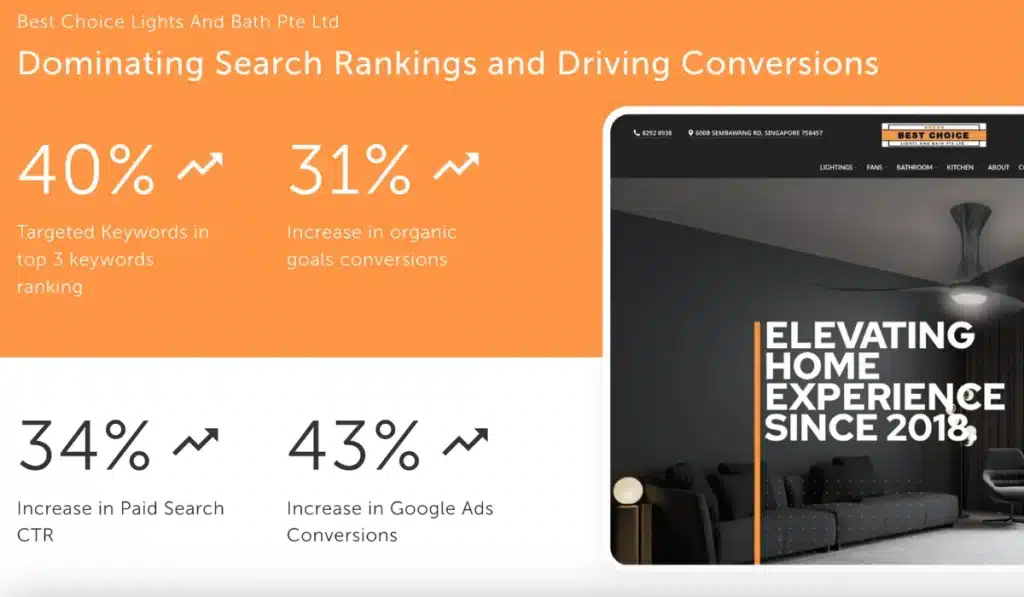
Interactive features on websites can significantly increase user engagement and drive conversions. By incorporating elements that invite user participation, businesses can create a more compelling experience that encourages visitors to take action.
One effective strategy is to use interactive quizzes or assessments. These tools not only capture user attention but also provide valuable insights into their needs and preferences. This personalised approach can guide users towards products or services that best suit them, increasing the likelihood of conversion.
Another powerful tool is interactive product demonstrations. These allow potential customers to explore features and benefits in a hands-on manner, fostering a deeper connection with the product. This engagement can lead to increased confidence in purchasing decisions.
Live chat features also play a crucial role in boosting conversions. By offering real-time support, businesses can address customer queries promptly, reducing hesitation and increasing the chances of completing a purchase.
Interactive pricing calculators are particularly useful for service-based businesses. They provide transparency and help users understand the value proposition, making them more likely to convert.
User-generated content, such as reviews and ratings, can also be interactive. Allowing customers to sort, filter, and respond to reviews creates a dynamic environment that builds trust and influences purchasing decisions.
Call-to-Action (CTA) Optimisation
CTAs play a critical role in conversion strategies. Effective CTAs should be action-oriented, clear, and visually distinct. SMEs should test various placements, designs, and messages to see which combinations yield the best results. Dynamic and personalised CTAs based on user behavior, such as “Buy Now” or “Get Your Free Trial,” can boost engagement.
Colour and design play a vital role. Use contrasting colours to make CTAs stand out. Ensure buttons are large enough to be easily clickable on mobile devices.
Top CTA Best Practices:
- Use action-oriented language
- Create a sense of urgency
- Make buttons visually distinct
- Test different variations
Interactive Forms and Surveys
Interactive forms enhance data collection and engagement. Features like conditional logic and real-time validation make forms more intuitive and user-friendly, increasing completion rates. Multi-step forms break long processes into manageable steps, reducing abandonment. Post-purchase surveys offer valuable feedback that helps improve products and services.
E-commerce Integration
For SMEs in e-commerce, integrating systems like inventory, shipping, and customer management is essential. Automation improves efficiency and enhances user experience by offering real-time stock updates, dynamic pricing, and personalised recommendations. This smooth integration between systems also enables better decision-making through data insights.
E-commerce integration empowers SMEs to expand their market reach. It enables them to tap into new customer segments and geographical areas, driving growth and profitability.
Leveraging Social Proof
Social proof is a powerful tool for boosting credibility and conversions. SMEs can showcase user-generated content, customer reviews, and live sales notifications to build trust. Displaying testimonials, trust badges, and case studies also enhances credibility, encouraging hesitant customers to make a purchase.
Amazon effectively uses this technique by displaying customer ratings and reviews prominently on product pages.
Remember to keep social proof elements updated regularly. Outdated testimonials or low follower counts can have the opposite effect, potentially damaging credibility.
Measuring Engagement and Conversion Metrics
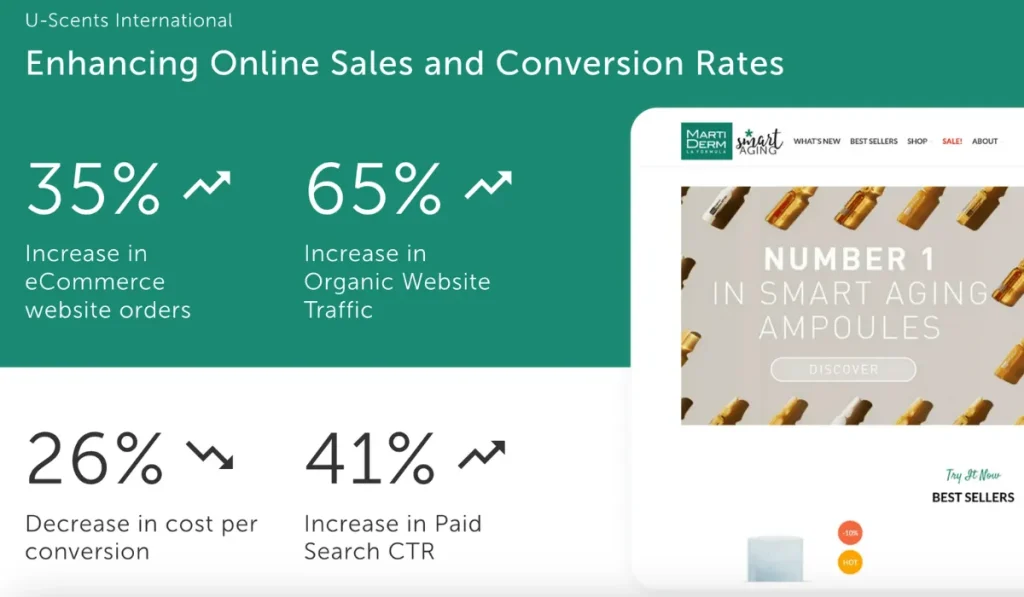
Tracking key metrics is vital for small and medium enterprises (SMEs) to gauge their online success.
By monitoring these numbers, businesses can make data-driven decisions to improve their websites and boost results.
Key Performance Indicators (KPIs)
KPIs are crucial metrics that help small and medium-sized enterprises (SMEs) measure the success of their interactive web strategies.
These indicators provide valuable insights into user behaviour and the effectiveness of engagement efforts. Critical KPIs to track include:
- Time on site: Indicates how engaged users are.
- Bounce rate: Measures the percentage of users who leave after viewing one page.
- Conversion rate: Tracks the percentage of users who complete a desired action.
- Pages per session: Shows how many pages a visitor views on average.
- Click-through rate (CTR): Reflects how often users click on CTAs or links.
By regularly analysing these KPIs, SMEs can refine their interactive web strategies and boost both engagement and conversions over time.
Analytics and User Feedback
Using tools like Google Analytics and heatmaps, SMEs can monitor user behavior, such as where visitors click and how they navigate the site. A/B testing allows companies to compare different versions of web pages or elements to determine which performs better. User feedback through surveys and forms also provides valuable insights into customer needs and preferences.
Key metrics to track:
- Bounce rate
- Time on page
- Click-through rate
- Conversion rate
- User flow
By analysing these metrics, businesses can make data-driven decisions to enhance their websites and boost user engagement.
A/B Testing for Continuous Improvement
A/B testing is crucial for ongoing website optimisation. By testing different headlines, images, CTAs, and other elements, SMEs can make data-driven decisions to improve click-through rates, reduce bounce rates, and increase conversions. Testing one element at a time ensures that performance changes can be attributed to specific modifications.
To conduct effective A/B tests, SMEs should follow these steps:
- Identify the element to test
- Create two versions (A and B)
- Split traffic evenly between versions
- Collect and analyse data
- Implement the winning version
Frequently Asked Questions
Interactive web strategies can significantly boost engagement and conversions for SMEs.
These approaches help create more compelling, personalised experiences that resonate with visitors and encourage them to take action.
What are the top interactive elements that can be embedded into a website to improve user engagement?
Interactive elements can transform a static website into a dynamic, engaging platform. Some top options include:
– Quizzes and surveys
– Interactive infographics
– 360-degree product views
– Gamification elements
– Live chat features
How can small to medium-sized enterprises leverage social proof to enhance website conversion rates?
Social proof is a powerful tool for building trust and credibility.
SMEs can leverage it in several ways:
– Customer testimonials: Display authentic reviews from satisfied clients.
– User-generated content: Showcase photos or videos of customers using your products.
– Trust badges: Include logos of well-known clients or industry certifications.
– Social media integration: Embed real-time social media feeds to show engagement.
– Case studies: Present detailed accounts of successful client collaborations.
In what ways can personalisation be used to create a more engaging website experience for visitors?
Personalisation tailors the user experience to individual preferences and behaviours. Here are effective ways to implement it:
– Customised product recommendations based on browsing history
– Geolocation-based content and offers
– Personalised greetings and welcome messages
– Dynamic content that changes based on user behaviour
– Targeted email campaigns with personalised subject lines and content
These strategies can significantly improve engagement by making visitors feel valued and understood.
Can you identify effective strategies for utilising chatbots to boost interaction on SME websites?
Chatbots can significantly enhance website interaction and customer service. Here are some effective strategies:
– 24/7 availability: Provide round-the-clock support to answer basic queries.
– Instant responses: Offer immediate answers to frequently asked questions.
– Personalised recommendations: Suggest products or services based on user inputs.
– Guided navigation: Help users find specific information or pages on the website.
– Data collection: Gather valuable insights about customer preferences and pain points.